Remodeling a kitchen is one of the most exciting home upgrades you can make, but it also comes with important rules and requirements, especially in Bethesda, Maryland. One of the most common questions homeowners ask before starting a kitchen renovation is whether permits are required. The answer depends on the scope of the project, what systems are being modified, and how extensive the work is. Understanding when permits are needed can help you avoid delays, fines, and future complications while keeping your remodel compliant with local regulations.

Why Permits Are Required for Kitchen Remodeling
Permits exist to ensure that renovation work meets local building codes and safety standards. In a kitchen remodel, this is especially important because kitchens involve electrical wiring, plumbing, ventilation, and sometimes gas lines. These systems must be installed correctly to protect both the home and the people living in it. Permits also create a documented record that the work was completed legally, which can be important when selling your home or filing insurance claims in the future.
When a Kitchen Remodel Does Not Require a Permit
Not every kitchen project in Bethesda requires a permit. Minor updates that are purely cosmetic often fall outside permit requirements. These types of projects usually do not involve altering the structure of the home or modifying major systems.
Cosmetic upgrades typically include painting walls, installing new cabinets in the same locations, replacing countertops, updating backsplashes, or swapping out appliances without changing electrical or plumbing connections. As long as the existing wiring, plumbing, and layout remain unchanged, permits are often not required for this type of work.
Kitchen Remodel Projects That Do Require Permits
Permits are usually required when a kitchen remodel involves changes beyond surface-level updates. If your project alters the layout, affects structural components, or involves electrical, plumbing, mechanical, or gas systems, permits are almost always necessary.
Moving or removing walls, even non-load-bearing ones, typically requires a building permit. Structural changes must be reviewed to ensure they do not compromise the integrity of the home. Electrical permits are required when adding new outlets, upgrading circuits, installing new lighting, or relocating existing electrical components. Plumbing permits are needed if sinks, dishwashers, or water lines are moved or modified. Mechanical permits may apply when changing ventilation systems, range hoods, or HVAC components.
How Kitchen Layout Changes Affect Permits
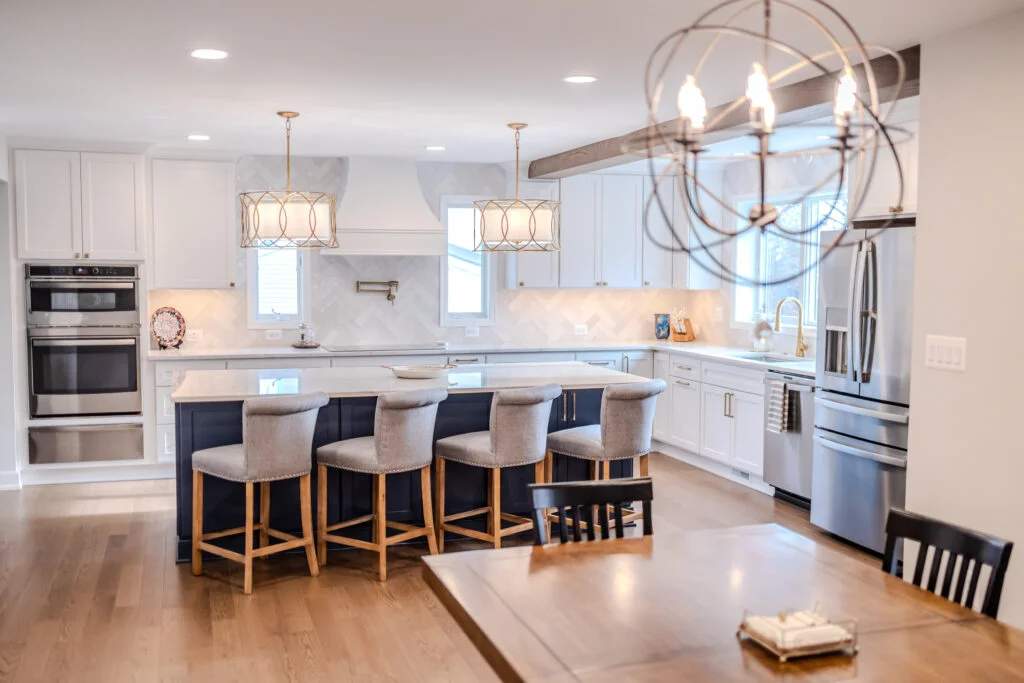
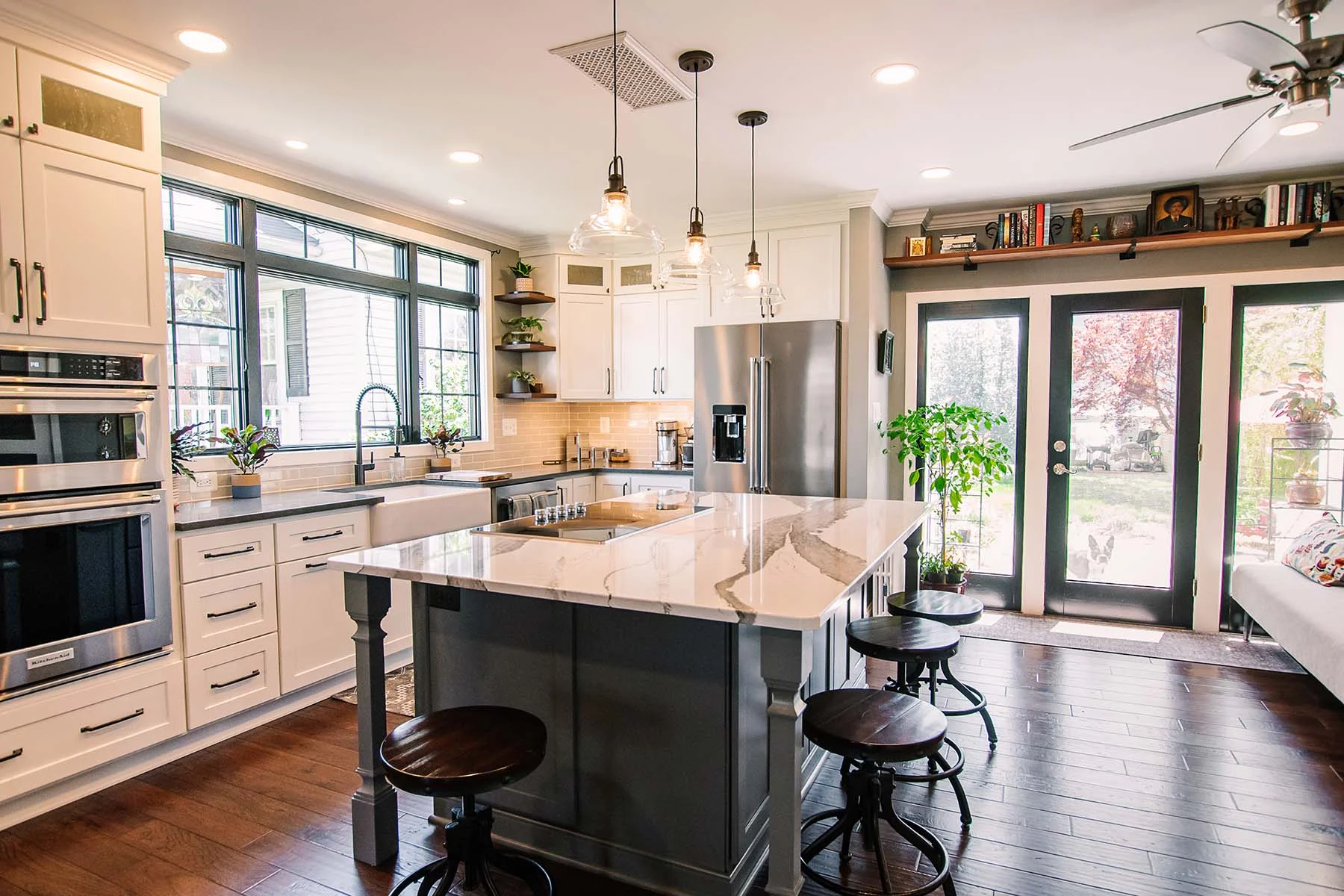
One of the most common reasons kitchen remodels require permits in Bethesda is a layout change. Homeowners often want to open the kitchen to adjacent spaces, add an island with electrical outlets, or relocate appliances for better flow. These changes almost always impact wiring, plumbing, or framing.
Even if the new layout seems minor, relocating fixtures or altering walls can trigger multiple permit requirements. A layout change typically signals that the remodel goes beyond cosmetic improvements and into regulated construction work. To learn about kitchen design trends for 2026 check out this article by Cornerstone.
Electrical and Plumbing Considerations in Bethesda Kitchens
Modern kitchen remodels almost always involve electrical updates. Kitchens require a high number of dedicated circuits to support appliances, lighting, and outlets safely. If your remodel includes under-cabinet lighting, recessed lighting, new appliance hookups, or code-compliant outlet spacing, an electrical permit is usually required.
Plumbing updates are just as common. Moving a sink, adding a pot filler, relocating a dishwasher, or switching between electric and gas appliances all involve plumbing or gas work that must be permitted. These systems are tightly regulated because improper installation can lead to leaks, water damage, or safety hazards.
Who Is Responsible for Pulling Permits?
In Bethesda, permits can be pulled either by the homeowner or the contractor, depending on the project and licensing requirements. In most full kitchen remodels, the contractor handles the permit process as part of the renovation. This helps ensure that applications are completed correctly, inspections are scheduled properly, and the project stays on track.
Homeowners should always confirm in writing who is responsible for permits before construction begins. Clear communication upfront helps avoid confusion and ensures accountability throughout the project.
How Permits Impact Your Remodeling Timeline
Permits do add time to a kitchen remodel, but they do not have to cause major delays when planned properly. The key is addressing permit requirements during the design and planning phase rather than after construction has already started.
Most delays occur when work begins without permits or when the scope of the project changes mid-renovation. A well-planned project accounts for approval timelines and inspection scheduling so the remodel progresses smoothly from demolition to completion.

What Happens If You Remodel Without a Required Permit
Skipping required permits can lead to serious consequences. If unpermitted work is discovered, construction may be stopped until permits are obtained. In some cases, completed work must be removed or redone to allow inspections.
Unpermitted renovations can also create problems when selling your home. Buyers and inspectors often request documentation showing that renovations were completed legally. Missing permits can delay a sale, reduce the home’s value, or require costly fixes before closing.
How to Know for Sure If Your Kitchen Remodel Needs a Permit
Every kitchen remodel is different, which is why the safest approach is to review your specific project with a professional who understands Bethesda and Montgomery County regulations. If your remodel involves layout changes, new electrical or plumbing work, or structural modifications, permits are very likely required.
Getting clarity early allows you to budget accurately, plan timelines realistically, and avoid stress during construction. It also ensures that your finished kitchen meets all local requirements and is built to last.
Remodeling Your Bethesda Kitchen with Confidence
Kitchen remodeling should be an exciting investment in your home, not a source of uncertainty. Understanding permit requirements is a critical part of the process, especially in Bethesda where regulations are detailed and strictly enforced.
Cornerstone Remodeling helps homeowners navigate every phase of a kitchen remodel, from design and planning to permitting and final inspections. Our team ensures your project is handled professionally, efficiently, and in full compliance with local requirements.
If you’re planning a kitchen remodel in Bethesda and want expert guidance from start to finish, contact Cornerstone Remodeling today to schedule a consultation and take the first step toward a kitchen you’ll love.